
April 12th, 2026
Is Mahjong Good for Your Brain?
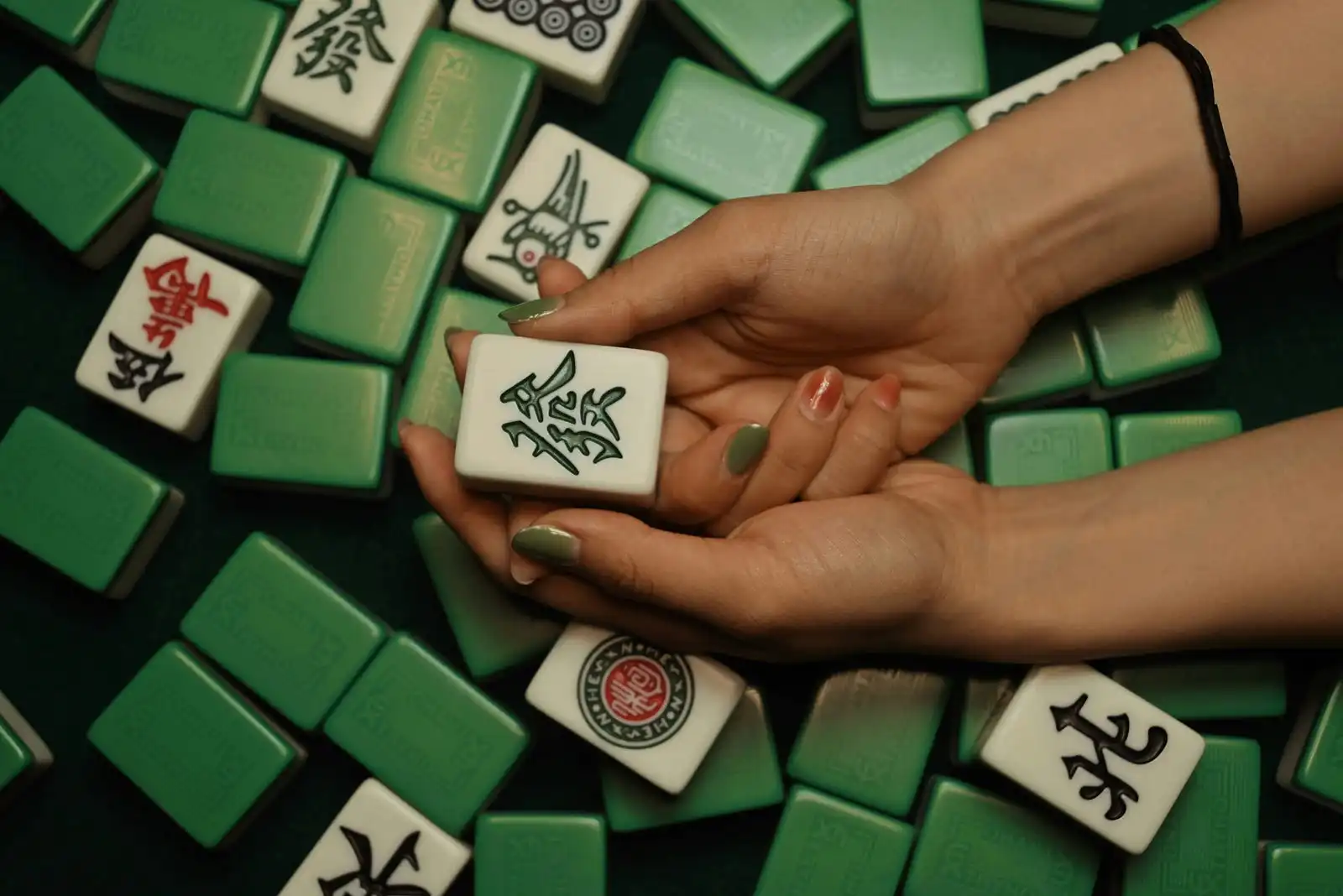
Transcending language and culture, Mahjong swept the world at a record pace after its origins in 19th-century China. Players around the globe share in the calming yet engaging gameplay, matching tiles and building winning hands as they spend time with friends. As popular as this game is, it is natural to wonder whether Mahjong is actually good for your brain. After all, some games hold your attention well enough without offering much in the way of mental engagement. Based on a growing body of research, the answer may well be yes.
How Mahjong Exercises Your Mind
Mahjong draws on a broad range of mental activities simultaneously. When playing, you constantly visually scan tiles, differentiate between similar images, identify patterns quickly, and make strategic decisions based on what you observe. This calls on visual-spatial reasoning and much more.
Simply staying engaged for each turn and keeping track of your own combinations places a meaningful demand on working memory. You have to track which tiles have already been played, consider what your opponents might have based on that information, and adjust your strategy as new tiles appear. This mental balancing act keeps your mind actively engaged throughout the game.
Pattern recognition is also a major element in any successful Mahjong strategy. You need to identify every opportunity for a potential combination and recognize sequences to move forward.
This type of processing is thought to engage neural pathways in ways that may support cognitive function over time.
If you want to explore Mahjong at your own pace, Mahjong Solitaire is an easy start. No need to find other players; try this Free Mahjong Game for an accessible introduction.
Research: Mahjong and Cognitive Function in Older Adults
**Some scientific studies have examined Mahjong and cognitive function, yielding several encouraging findings. ** For example, this academic review from Hong Kong Polytechnic University, encompassing 53 studies, found associations between Mahjong play and improvements in short-term memory and reduced depressive symptoms. Another finding from Nanchong Central Hospital in China found that participants showed improvements in several cognitive measures after playing Mahjong three times a week for twelve weeks.
The measures tested mostly involved executive function, a broad set of mental skills the brain relies on to navigate daily life, including focus and attention, following instructions, and managing emotions.
One theme that runs through study after study is Mahjong's ability to call on multiple areas of mental function at once. Unlike simpler activities that engage only one aspect of cognition,
Mahjong may engage your memory, attention, visual-spatial skills, and strategic thinking at the same time.
Mahjong and Cognitive Decline: What the Research Suggests
Some research suggests Mahjong may be associated with a reduced risk of cognitive decline. The concept of "cognitive reserve" helps explain this.
Think of cognitive reserve as your brain's resilience, or its ability to function well even when faced with age-related changes. Mentally stimulating activities, such as Mahjong, are thought to help build this reserve.
A longitudinal study published in PLOS ONE found that individuals who regularly engaged in cognitively stimulating leisure activities, including tile-based games such as Mahjong, had a lower risk of developing dementia over a 15-year follow-up period. The association was particularly strong among those who engaged in these activities multiple times per week.
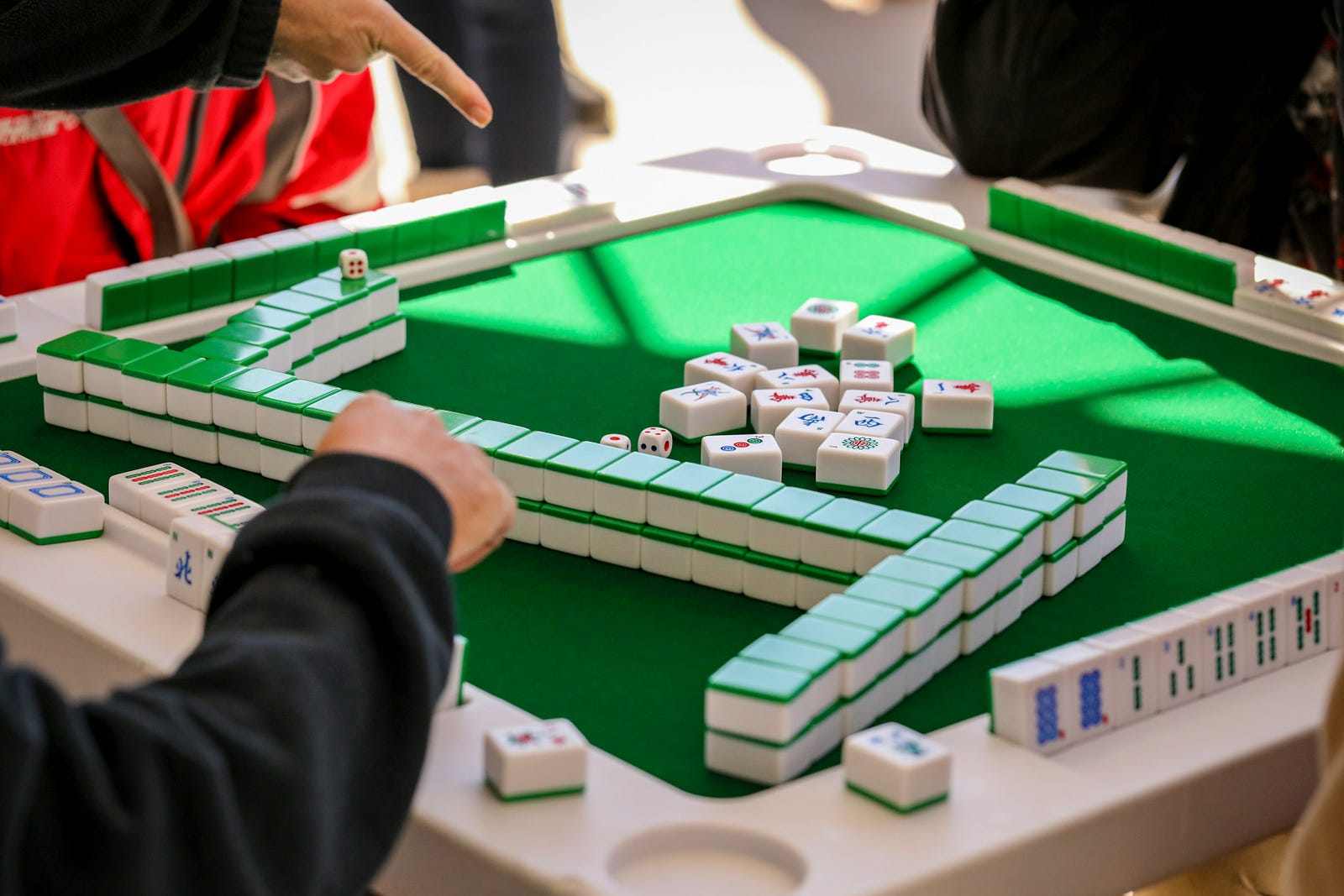
The combination of social and mental engagement that Mahjong provides is thought to contribute to many of its potential benefits. Research suggests that activities combining mental stimulation with social interaction may offer additional cognitive benefits compared to playing solo.
When you play Mahjong with others, you are not only engaging your mind but also building meaningful social connections, which, in turn, may support brain health.
The Social Benefits of Playing Mahjong
The Social Benefits of Playing Mahjong Beyond the potential cognitive advantages, Mahjong may offer social benefits that could indirectly support brain health. Playing with others creates opportunities for conversation, laughter, and connection, which can contribute to emotional well-being and mental health. Social engagement has been identified as a protective factor against cognitive decline in numerous studies. When you play Mahjong regularly with friends or family, you are maintaining social networks that provide emotional support and mental stimulation. These connections may help combat loneliness and isolation, which research has linked to increased dementia risk. For those who prefer flexibility or find it difficult to coordinate schedules with others, Mahjong solitaire variations may offer some similar cognitive benefits. While you miss the social component, you still engage in the pattern recognition, strategic thinking, and problem-solving that make the game mentally engaging. Exploring different Mahjong games can help you find versions that fit your preferences and lifestyle.
How Often Should You Play for Brain Benefits?
Regular play may support mental engagement and social well-being, but research suggests that consistent, frequent play delivers the most meaningful benefits. Studies showing positive effects typically involved participants who played at least two to three times per week.
That said, even occasional play offers enjoyment and some degree of mental engagement.
The key is making Mahjong part of your routine rather than an occasional activity. Aim for sessions lasting 30 minutes to an hour, which gives you enough time to engage fully with the game without feeling worn out.
Quality matters as much as quantity. Playing with full attention is likely to be more rewarding than playing while distracted. Create an environment where you can focus on the game, whether you are playing the traditional version with friends or enjoying a solo version like Mahjong Dimensions.
The most important factor is sustainability. Choose a frequency that fits comfortably into your lifestyle and that you genuinely enjoy. The potential benefits you will gain from regular, enjoyable play over months and years far exceed what you might get from intensive play that you cannot maintain long-term.
**So, is Mahjong good for your brain? ** Research points in an encouraging direction. Whether you are playing traditional Mahjong with friends or exploring solo versions at your own pace, you are giving yourself an enjoyable mental activity that many people find genuinely rewarding.
Category: Brain Games

