

April 14th, 2026
10 Daily Brain Exercises to Sharpen Your Mind
Guest contributor: Tim K.
Looking to get some more juice out of that supercomputer in your head, are you? We’ve got good news and, shall we say, challenging news (we’re optimists here) when it comes to brain training.
We have good news: brain training doesn’t require treadmills or dumbbells. The challenge? Building consistency with daily practice. Fortunately, Arkadium makes it easier than ever to incorporate brain exercises into your routine — and actually enjoy them.
Why Brain Exercises Matter for Cognitive Health
Before we dive into the specific cognitive exercises themselves, no training regimen succeeds if you don’t understand the “why” behind it all. Why should we care about brain-stimulating activities, for example, and how do they work?
First, it’s important to understand that your brain and its 80+ billion neurons respond to two things: novelty and challenge. Everyone likes practicing things they’re already good at, but when you engage in activities that push you outside of this comfort zone, you’re encouraging new neural pathways while engaging existing ones.
Cognitive exercises may offer multiple benefits beyond sheer stimulation. They can help with:
- Problem-solving abilities improve when you challenge your brain to approach problems from new and creative angles
- Pattern recognition capability by encouraging your brain to draw connections between different game elements and make predictions based on those connections.
- Memory retention is achieved by continuously working out your short-term memory, as it stores sequences, patterns, or pieces of information.
- Mental focus and relaxation by directing your attention to the current moment while keeping it active and engaged.
It may not seem like much at first, but with just a few minutes of time spent in brain training activities every day, you may experience these benefits without even thinking about it.
10 Daily Brain Exercises for Peak Mental Performance
Morning Meditation (5–10 Minutes)
If you’re new to meditation, start with just 5 minutes. Find a comfortable place, close your eyes, and focus on your breath. Breathe in, breathe out. Breathe in, breathe out. That’s it. Just breathe and try to keep your focus maintained on your breath alone. Mental distractions will bombard you from all angles, to be sure, but the more you practice, the better you can fight them off.
Learn Something New Each Day
This is a fun and simple one: just commit to learning one new piece of information a day. It doesn’t need to be a highly sophisticated fact or subject. For example, you can simply learn one word in a foreign language every day. After you’ve mastered the pronunciation and meaning, you won’t need to see it on paper anymore and can repeat the word in your mind as you go about your day. This will keep your brain agile and hungry for more.
Read for 20–30 Minutes
We often take reading for granted, just how great it is for the brain. It requires multiple processes to run simultaneously. As you decode words, your brain paints pictures to help you understand. As you follow a flowing narrative, you have to constantly remember previous plot points and predict what’s going to happen. Fiction or non-fiction, poetry or prose, you simply can’t lose whenever you’re reading.
Play Brain-Teasing Games
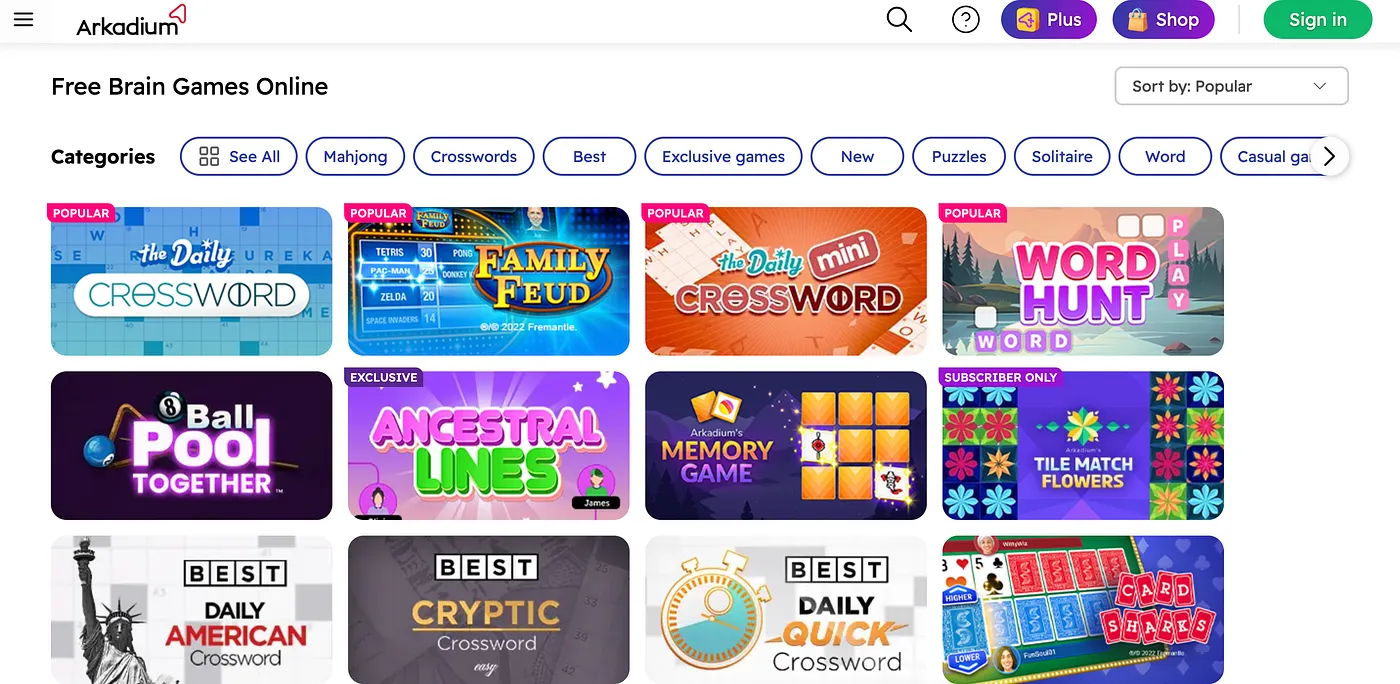
People of all ages can enjoy brain-teasing games, and best of all, you really don’t need to be that picky. Effective brain-stimulating activities come in many forms, including number games, word games, logic puzzles, and many more.
Logic puzzles like Sudoku can potentially strengthen deductive reasoning and systematic thinking, while pattern recognition games train your brain to identify relationships and predict outcomes skills that transfer to everyday problem-solving.
To pick out some historically popular titles as examples, a mahjong game can support visual scanning ability, pattern detection, and memory recall. Crossword games, on the other hand, engage your vocabulary and linguistic skills while also exercising memory recall. Sudokus are great for logic, sequencing, and overall concentration.
For a great selection of brain-challenging games, Arkadium offers puzzles you can play daily, no downloads required.
Practice a Musical Instrument
Playing an instrument is one of the most sophisticated things your brain can do. You need to coordinate your hands and eyes, keep your memory engaged, follow rhythms, and think ahead, all at the same time. Whether you’re a total beginner or an expert, even 10–15 minutes of daily play can engage multiple areas of your brain.
Social Interaction and Conversation
Even casual conversations can be excellent daily brain exercises for memory and social cognition, which very much counts as brain training. You have to read social cues, process what others are saying, recall information, and create your own response within seconds in a typical conversation. Plus, you never know what new facts you might learn from someone.
Physical Exercise (Dance, Walking, Yoga)
Physical exercise is one of the most underrated brain-training activities. Aerobic exercise is especially great for the brain, as it increases blood flow to this very hungry organ, supporting overall brain health. More sophisticated activities like dancing require you to learn new steps and sequences, carefully gauge distances, time your movements to the rhythm, and more.
Write by Hand

Though typing has largely replaced handwriting, the cognitive benefits of writing by hand remain significant. When you write by hand, you activate centers in the brain that deal with language, working memory, and general processing.
Memory Challenges
You can turn anything you can read or say into a memorization challenge. Short poems, phone numbers, your own daily schedule, it’s all fair game. These brain exercises for memory can be done anywhere, anytime. Repeat them until you’ve got them down, and for long-term memory, keep them memorized as long as you can by revisiting these pieces of information later.
Solve Visual Puzzles
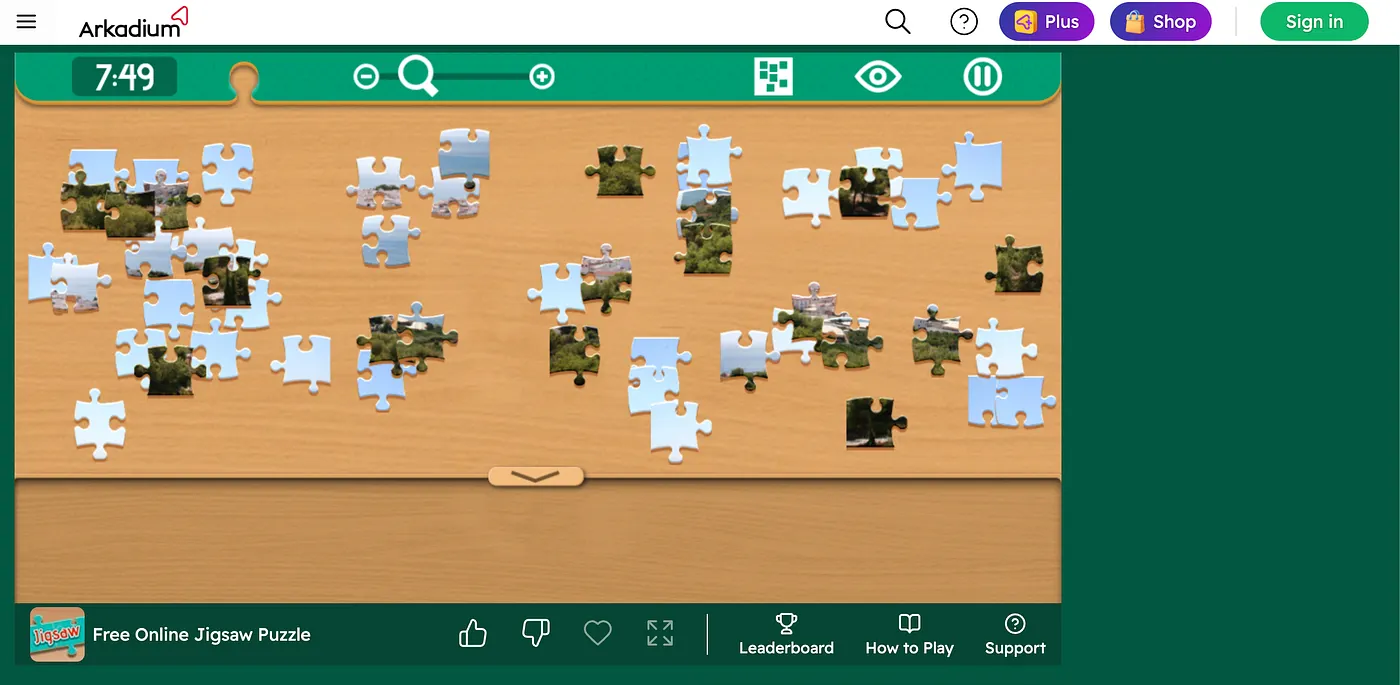
Activities like jigsaw puzzles, spot-the-difference games, or visual brain teasers engage spatial reasoning and visual processing. These exercises challenge you to notice details, understand spatial relationships, and work systematically to solve problems.
**Don’t Forget to Make It Fun**
The most effective daily brain exercises are those that you will actually do consistently. If you enjoy word puzzles, prioritize crosswords. If you love strategy, explore logic games. If social interaction energizes you, make conversation a priority. When brain training feels like play rather than work, you’re more likely to stick with it long-term.
Ready to sharpen your mind? Explore more brain exercising games at Arkadium and discover which puzzles resonate with you. We’d love to hear from you: What are your favorite brain training strategies? What daily exercises have you found most effective? Share your tips and experiences in the comments below.
Category: Brain Games

