
August 31st, 2026
Are Crosswords Good for Your Brain? Here's What the Science Says
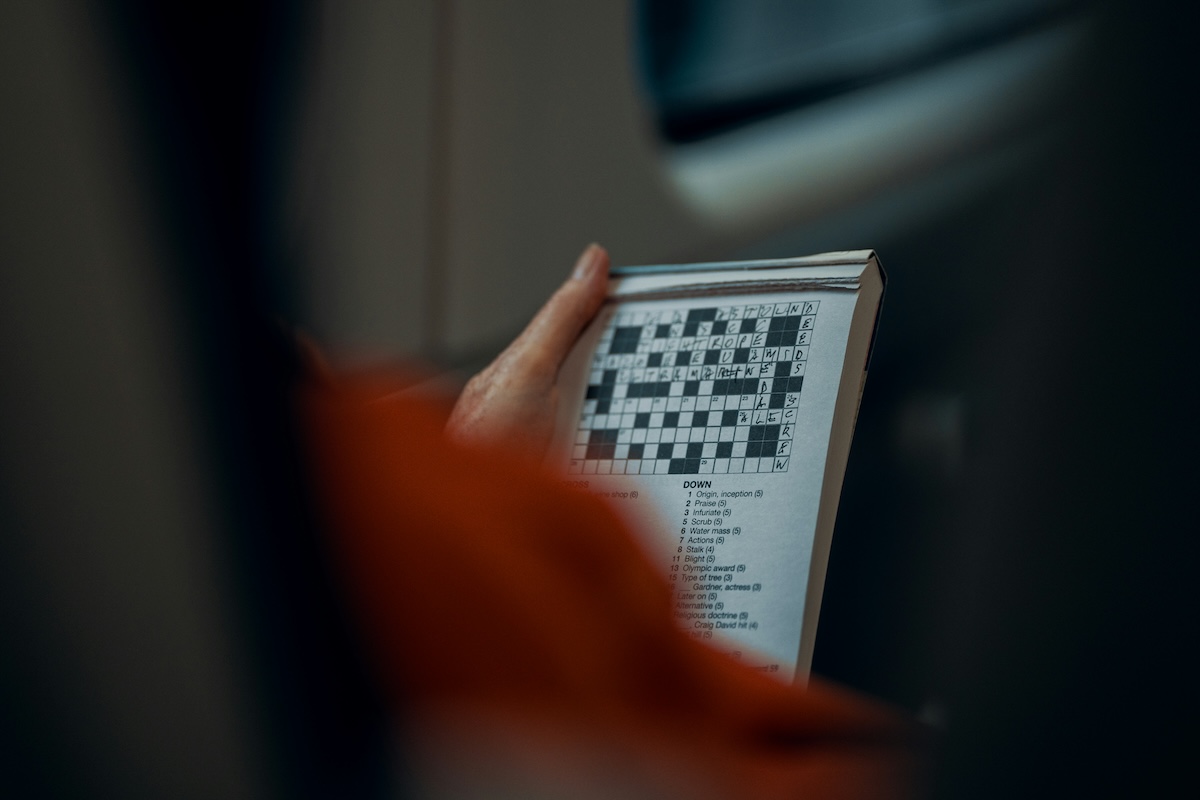
That satisfying feeling after finishing a crossword puzzle isn't just about completing the grid. Crossword puzzles challenge memory, language, and problem-solving skills simultaneously, which is one reason they've remained popular for generations.
Researchers have spent years studying how mentally engaging activities, such as crossword puzzles, may support cognitive function over time. While crosswords are not a guaranteed way to prevent cognitive decline or improve brain health, some studies suggest they may help support memory, attention, and verbal skills as part of an overall mentally active lifestyle.
So, are crossword puzzles good for your brain? Current research suggests they can be a valuable form of mental stimulation, especially when played regularly.
What Happens in Your Brain When You Do a Crossword?
Crossword puzzles activate several mental processes at the same time. Solving clues requires players to recall stored information, recognize language patterns, think through word associations, and hold details in short-term memory as they work through the puzzle.
That combination of language, recall, and problem-solving is one reason crossword puzzles are often studied as a form of cognitive engagement.
How Crosswords Use Vocabulary and Language Skills
Every crossword clue relies on language recognition and word recall. Players work through definitions, puns, synonyms, and associations while searching for the correct answer.
Over time, crossword puzzles may help reinforce vocabulary and encourage players to engage with words they might not normally encounter in daily conversation.
Research on language-based activities suggests that mentally engaging tasks, such as reading and word recall, may help support verbal fluency as people age. Crosswords combine several of these activities into a single puzzle format.
Crosswords May Help Support Memory and Recall
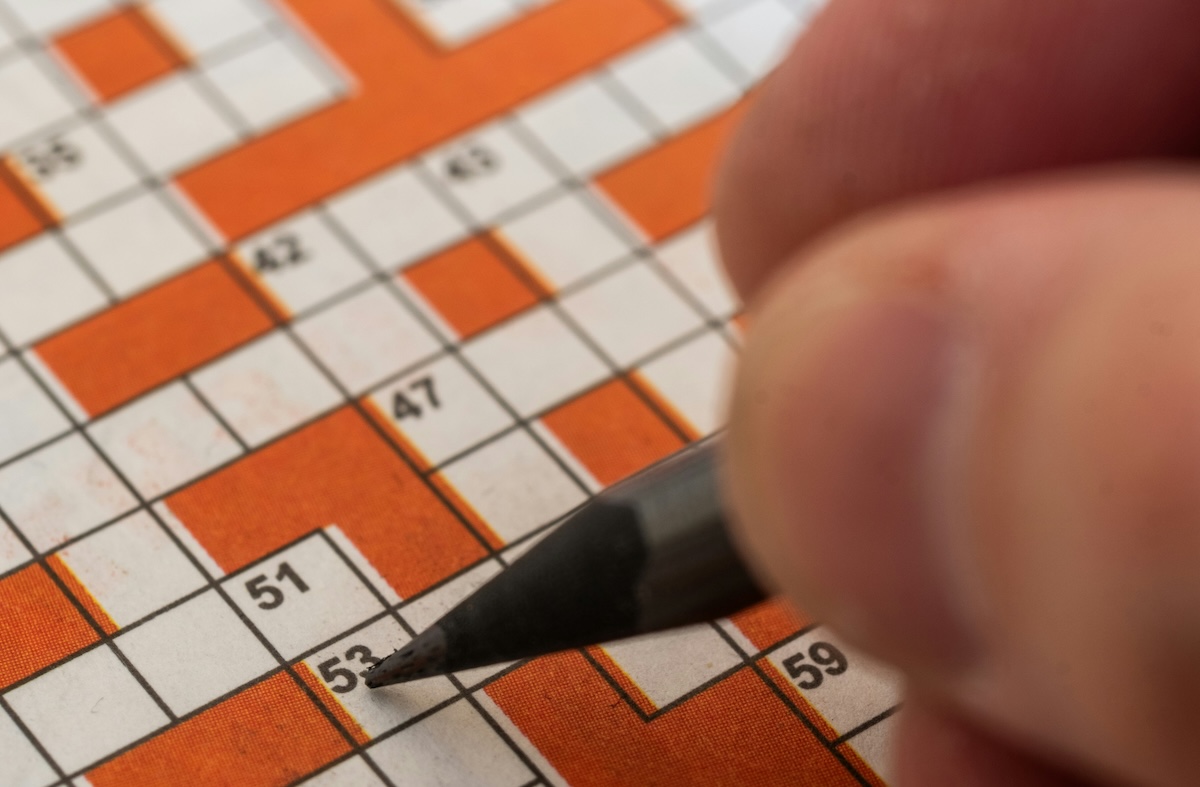
One of the most commonly discussed benefits of crossword puzzles is their reliance on memory retrieval. Solving clues requires players to search for information, connect ideas, and recognize patterns based on partial information.
Research published in NEJM Evidence found that older adults who regularly completed word puzzles showed slower cognitive decline than those who engaged less frequently in mentally stimulating activities. Researchers suggested that activities like crosswords may help support what is sometimes called "cognitive reserve," or the brain's ability to adapt and remain resilient over time.
Importantly, studies like these show associations rather than guarantees. Crossword puzzles should be viewed as one potentially beneficial mental activity within a broader healthy lifestyle.
Crosswords Encourage Problem-Solving and Flexible Thinking
Crossword clues are rarely straightforward. Many require lateral thinking, pattern recognition, or approaching a clue from multiple angles before arriving at the correct answer.
That kind of mental flexibility is one reason many players find crossword puzzles both challenging and rewarding.
Regular puzzle-solving may help keep reasoning and problem-solving skills active, particularly when players challenge themselves with a mix of puzzle difficulties.
What Does Research Say About Crosswords and Brain Health?
Researchers have spent years exploring whether mentally stimulating activities, such as crossword puzzles, may help support long-term cognitive health.
While no single activity can prevent dementia or cognitive decline, several studies have found a link between regular mental engagement and better performance on memory and reasoning tasks later in life.
One long-term study found that people who regularly completed word puzzles performed better on tests related to attention, reasoning, and memory. Participants who played more frequently sometimes showed cognitive performance patterns characteristic of younger age groups.
These findings are encouraging, but researchers continue studying how activities like puzzles fit into overall brain health. Crossword puzzles are best viewed as part of a mentally active, healthy daily routine rather than a medical solution.
For a deeper look at puzzle-related benefits, check out Arkadium's guide to the benefits of crossword puzzles.
Crosswords Can Become a Relaxing Daily Habit
Crossword puzzles are also popular because they create a calm, focused activity that helps many players temporarily step away from daily stress.
Focusing on a puzzle gives the mind a single task to work through, which many players find relaxing and enjoyable. Some people describe crossword-solving as a "flow state," where attention stays fully focused on the activity at hand.
While crossword puzzles are not a treatment for stress or anxiety, many players enjoy them as part of a relaxing daily routine.
Daily Crossword Habits May Help Keep Your Mind Active
Consistency matters with most mentally engaging activities. A crossword puzzle can still be enjoyable once in a while, but many researchers believe regular mental engagement may provide the strongest long-term benefits.
Even short daily puzzle sessions can help players maintain routines centered around focus, memory, and problem-solving.
For some players, daily crosswords become part of a regular morning or evening habit that offers both entertainment and mental engagement.
How to Get the Most Out of Crossword Puzzles
A few simple habits can help make crossword puzzles more engaging and rewarding:
Switch Up the Difficulty
Easy puzzles help build confidence and familiarity, while more challenging crosswords encourage deeper problem-solving and recall.
Trying different puzzle difficulties can help keep the experience fresh and engaging over time.
Try to Recall Answers Before Using Hints
Attempting to retrieve information before checking hints or solutions encourages active thinking and memory recall.
Even when players don't immediately remember the answer, the process of working through clues is part of what makes crosswords mentally engaging.
Play Consistently
Short daily puzzle sessions are often easier to maintain than occasional long sessions.
Many players enjoy making crosswords part of a regular routine, whether during a morning coffee break or later in the day while relaxing.
For players who prefer a gentler challenge, Arkadium's easy crossword is a great place to start.
Are Crosswords Good for Your Brain?
Research suggests crossword puzzles may help support memory, language skills, reasoning, and overall cognitive engagement, especially when played regularly as part of a mentally active lifestyle.
At the same time, crossword puzzles are not a guaranteed way to improve brain health or prevent cognitive decline. Experts generally recommend viewing puzzles as one enjoyable mental activity alongside other healthy habits, such as exercise, sleep, social connection, and lifelong learning.
For many players, the biggest benefit is simple: crosswords provide a relaxing, rewarding way to stay mentally engaged every day.
You can explore Arkadium's full collection of free crossword puzzles and find a daily puzzle that fits your pace.

